A smart reseller tries to remove uncertainty before spending money. The point isn't to predict a perfect sale price; it's to build a decision you can explain to yourself even if the item doesn't sell as hoped.
Identify before you search
Start with maker, model, size, year range, material, edition or serial information. Generic queries produce generic results. Use the strongest identifiers visible on the object and photograph markings you will want to revisit.
Search across the right market
Compare similar sales from the marketplace where you would realistically sell. For some products, collector auctions are useful context; for others, local resale or mainstream marketplaces better reflect likely demand. A rare result from an international auction may not translate to your local buyer pool.
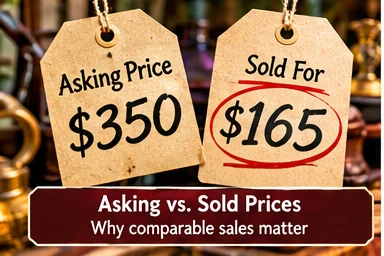
Separate active listings from closed sales
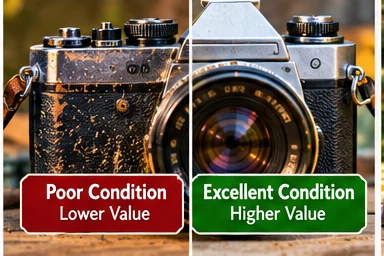
Active listings tell you what sellers hope to get. Completed or sold results tell you more about demand, but still require checking shipping, returns and item condition. Never claim to have a live sold-data feed when you are merely opening public search results.
Record three numbers
Keep a low plausible outcome, a middle working estimate and a high optimistic outcome. Use the lower end when evaluating a risky purchase; the middle estimate can guide listing expectations when enough comparable evidence exists.
Save the evidence
Record URLs, dates, screenshots where permitted, model details, prices and what makes each comparable relevant. Recheck before listing if market conditions are changing. Your confidence should be lower when the evidence is old or thin.