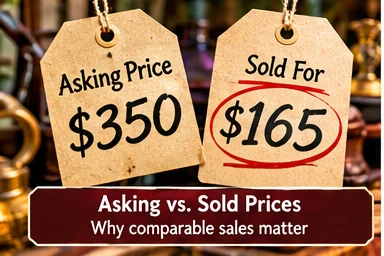
A smart reseller tries to remove uncertainty before spending money. The point isn't to predict a perfect sale price; it's to build a decision you can explain to yourself even if the item doesn't sell as hoped.
Condition is a description, not a feeling
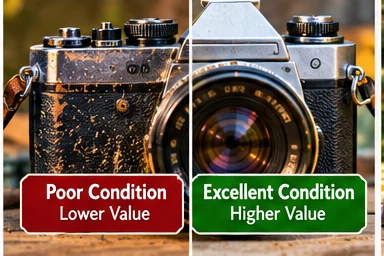
“Great shape” tells a buyer very little. Report objective findings: tested functions, scratches, missing parts, smells, repairs, stains and wear. Use category-specific condition checklists, because a camera lens and a rare book fail in very different ways.
Start with the expensive-to-fix issues
For electronics, prioritize safe functionality and missing components; for books, edition and structural condition; for instruments, playability; for vintage cameras, optics and mechanisms. Cosmetic marks may be tolerable while a missing proprietary part can destroy the deal.
Photograph evidence, including flaws
Take a full shot, identifying markings, every side and close-ups of damage. Photograph the item in clean, even light. Never hide scuffs behind heavy editing or claim a test you did not perform.
Distinguish used, untested, and nonworking
“Turns on” is not the same as “fully tested.” If the item has not been tested, say exactly which tests were and were not completed. This protects buyers and helps you find more relevant comparable sales.
Translate condition into a margin decision
Use the cost of repair plus a risk buffer when calculating a maximum buy price. If repair uncertainty makes the profit too narrow, passing is often better than guessing.