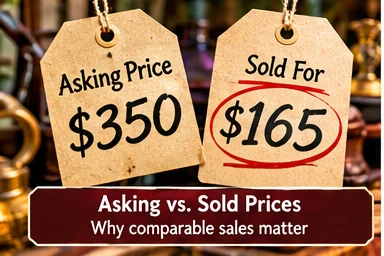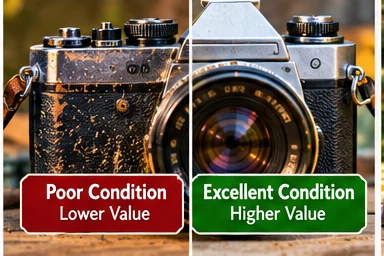
A smart reseller tries to remove uncertainty before spending money. The point isn't to predict a perfect sale price; it's to build a decision you can explain to yourself even if the item doesn't sell as hoped.
Rarity without demand can mean a long wait
A one-of-a-kind object may have almost no buyers at your desired price. Research demand indicators, collector communities, past sales and replacement costs without converting rarity claims into guaranteed premiums.
Set a confidence rating
High confidence requires multiple closely matched sales. Medium confidence may have some comparable items but uncertainty in condition or timing. Low confidence applies when results are too sparse, too old or too different.
Price against a realistic buyer pool
Think about whether your likely customer is a hobbyist, specialist collector, dealer or local buyer. Search behavior, shipping requirements and typical bargaining all affect the net result.
Know the difference between research and appraisal
A resale estimate is a planning aid, not an insurance, tax or estate appraisal. Authenticated grading and professional evaluation may be worthwhile for unusually valuable, sensitive or disputed items.
Build downside into your purchase decision
Use a conservative sale assumption, larger cost allowance and a minimum acceptable dollar profit. The lack of comps is itself a risk factor that belongs in the buy/pass decision.